

Be Part of the Project
Recover. Restore. Remember.
Be Part of the Project of a Lifetime
Hilton Head Island Voices
Interviews with Residents on Segregation, Gullah Traditions, and the Arrival of the Bridge
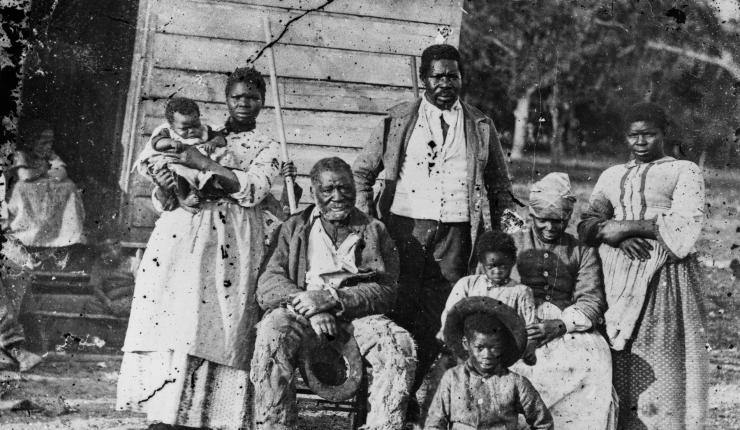
In the late 1980s and early 1990s, more than seventy Hilton Head Island residents sat down to record their memories. Most were African American elders who had grown up on an island reachable only by boat, and who watched it change after the first bridge to the mainland opened in 1956.
About the Project
For decades those conversations survived only on fragile cassette tapes. Now, through a partnership between American Ancestors and the Heritage Library Foundation, they have been digitized, preserved, and made freely available here.
Listen to stories of farming and fishing, school and church, Gullah traditions, segregation and desegregation, and memories of Mitchelville, the nation’s first self-governed town of freed people. Explore by theme, by place, or by narrator.

Discover the Themes of Hilton Head Island
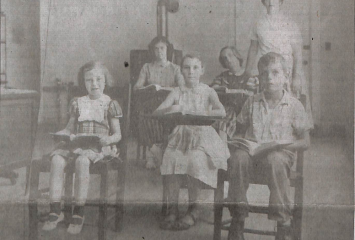
Education
One-room schoolhouses, dedicated teachers, and the long road to integration
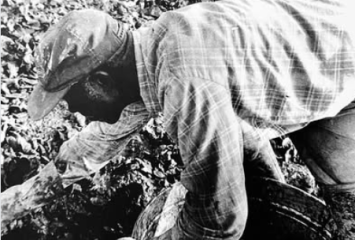
Farming
Cotton, rice, and family plots that fed households and generations
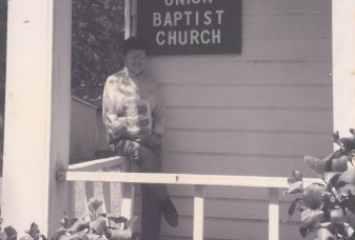
Recreation
Boats, beaches, gatherings, and what people did for fun
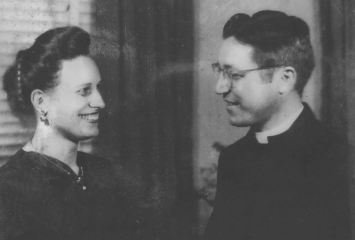
Civil Rights
Segregation, desegregation, and the fight for equal schools and opportunity
Conflicts
Disputes over land, change, and community, on the island and beyond
Tales and History from the Islands
Family stories, local lore, and memories of Mitchelville and earlier times
Travel
Bateaus, ferries, sailing vessels, and finally the bridge
Commerical Development
Resorts, real estate, and how development reshaped land and livelihoods
Fishing and Hunting
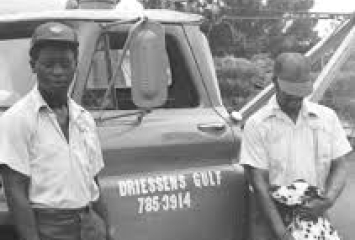
Oysters, crabs, shrimp, and game: making a living from water and woods

Hilton Head Island
The stories in Hilton Head Island Voices don’t stop at the island’s edge. For generations, life here was tied by water to Daufuskie Island, Bluffton, Beaufort, and Savannah. Explore the places the narrators called home and hear how each one figures in their memories.
Meet the Narrators
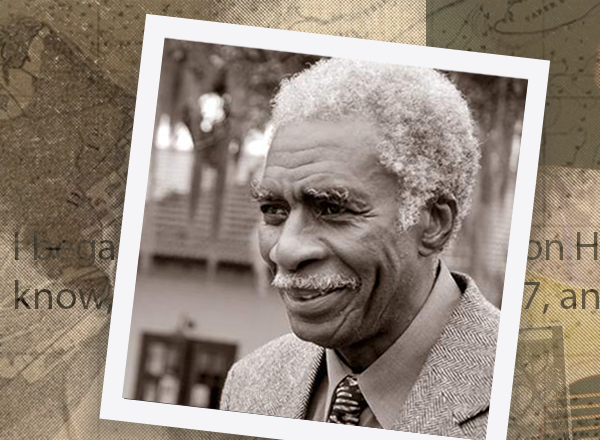
The narrators of Hilton Head Island Voices were teachers and farmers, fishermen and storekeepers, church members, parents, and grandparents. Most were African American elders born in the early twentieth century, whose families had lived on Hilton Head, Daufuskie, and the surrounding islands for generations. Others were longtime residents who arrived as the island began to change.
Listen to and Explore All the Stories
Hilton Head was the first free place for slaves. The other slaves from the upper part of Georgia and some Florida, they came, because they were able to buy land on Hilton Head and Daufuskie, which they made they home.
That’s how my grandparents and her parents, and her grandparents, came from St. Simons Island, Georgia.
That’s how my grandparents and her parents, and her grandparents, came from St. Simons Island, Georgia.
Audio file
This candy was made from cane syrup, and they would boil this syrup until it becomes that thick—they’d test it that when they drop it into a little water, it would become all crystalized. But before it gets in this position to becomes crystallized, they would let this cool off enough that you could handle it with your hand.
Audio file
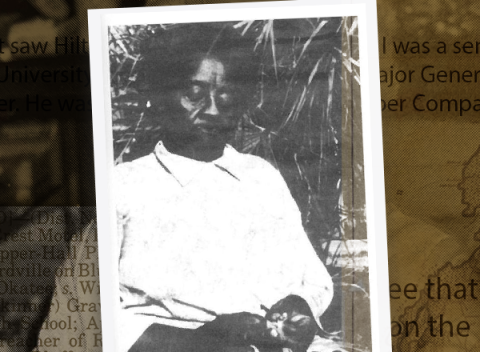
So that’s how come I got the job. And I worked on the Island for 39 years, and would have worked longer because I wasn’t at the retiring age, in 1969, but I had to come out on account of desegregation. At that time, they were all Black students on the Island; there was no white at that time. And so there were two Black teachers at the time. And they had to desegregate the teachers, so I came out and Conroy came in.
Audio file
Savannah River water runs out through the rivers of—Mongin River, which is the river for Daufuskie, and being that the oysters die from the pollution of the water, so the factories had to discontinue. Then employees, the menfolk, [inaudible] the cotton went bad, the oysters went bad.
Audio file
There were sea-goin’ vessels that would come out here. If you were goin’ to Daufuskie, you’d go to Savannah, or Bluffton, or Hilton Head. You wouldn’t come from here. These are sailin’ vessels, with all the—brought in spices, and probably slaves, and everything else in here back in those days.
Audio file
That was where the light shone, and it synchronized with a light that was on that concrete footing there, between the two little wineries. That was a tower about a hundred feet high. And that was the back range.
Audio file
Train went down almost to what they called “Jimmy Lee’s Landing.” There was a little old shack down there, where they opened oysters. They’d bring oysters in and open ‘em up, and they’d take ‘em over to the public landin’, where the big house was. They had a large oyster-shuckin’ place over there.
Audio file
Well, along that ditch goin’ over and toward the front of Flossie’s now, they raised rice. ‘Cause she said that the ricebirds got so bad, they ate the rice when it’s in its milky stage. Rice is in its milky stage before it gets firm, before it gets mature. And these ricebirds love that milky stage of the rice. And so, they just about eat it all up. So, they just had to quit doin’ rice, period.
Audio file
Bateaus were very popular back in those days. Back in the 1920s, and even earlier. In fact, I guess that was the only bateau that was made on the island. People really did enjoy rowin’ ‘em because they were easy to row and they were lightweight.
Audio file
Hilton Head Island Resources
Hilton Head Island Voices is part of 10 Million Names and was made possible by a Recordings at Risk grant from the Council on Library and Information Resources (CLIR).