Be Part of the Project
Recover. Restore. Remember.
Be Part of the Project of a Lifetime
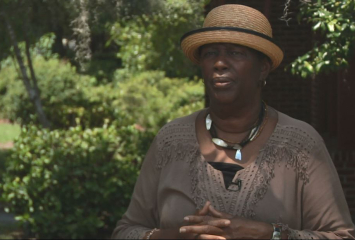
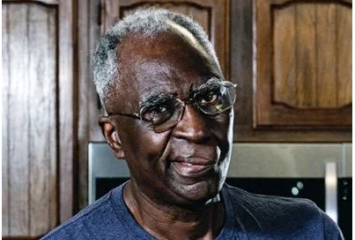
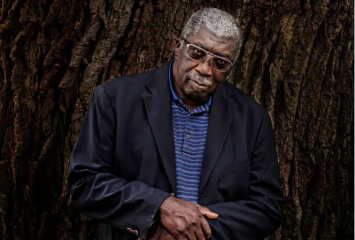
Meet the Narrators
Introducing our Narrators
It is common in the South Carolina Lowcountry to be designated a “Binyah” or a “Comeyah.” A “Binyah” is a native resident whose family has lived in the region for generations. A “Comeyah” does not have the generational history or investment in the local culture, but has found a home in what we all consider a special place.
The Narrators of Hilton Head Island
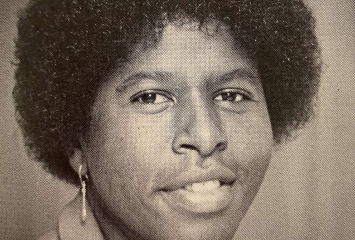
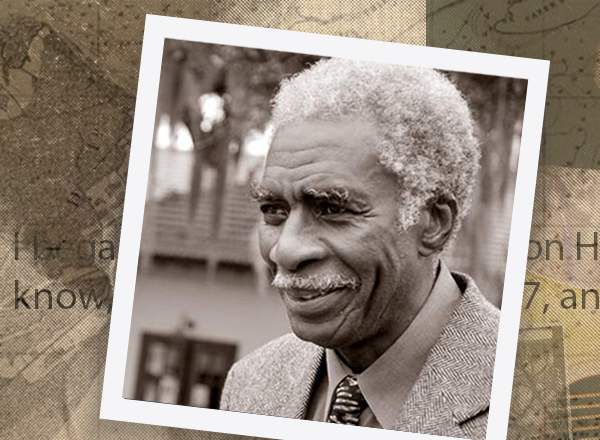
Emory Campbell
Emory Shaw Campbell is a “Binyah” and was born on October 11, 1941 on Hilton Head Island in South Carolina. He attended elementary school on Hilton Head Island. Campbell travelled to the nearby city of Bluffton, South Carolina to attend Michael C. Riley High School where he graduated as class valedictorian in 1960. He received his B.A. degree in biology in 1965 from Savannah State College, and in 1971, he earned his M.A. degree from Tufts University in Boston, Massachusetts.
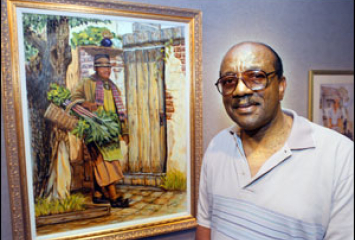
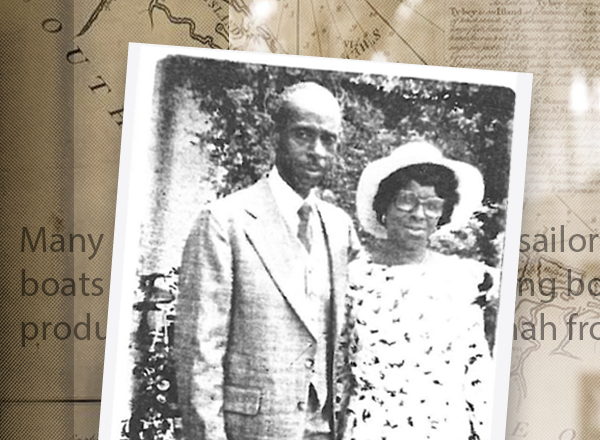
Perry White
Perry White was a “Binyah” and fifth generation member of one of Hilton Head Island’s most revered families. He was one of 11 children of prominent islanders Johnny LaSalle White and Matilda W. White. His father was a farmer, carpenter and gardener who started a landscaping business after the island began developing. Johnny White also was a walking historian, churchman and community leader, serving as one of the first black school board members in Beaufort County. “He was a person who cared about his family and particularly wanted to see his children become educated and be productive citizens,” Perry White said when his father died in 1993. “He had a tremendous devotion to his church and an obsession for education.”
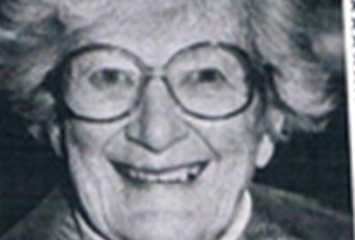
Janie Aiken Grant
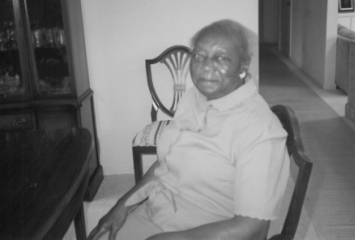
Janie Aiken Grant was a “Binyah.” Her life stretched 93 years on Hilton Head Island, where she stood steady at the bank while the tides rushed in and out around her. She was born in an era of kerosene lamps and plows behind horses. Her mother sewed sails so her father could tack the winds and currents to get island produce, turkeys and chickens to market in Savannah.
Ms. Billie Burn
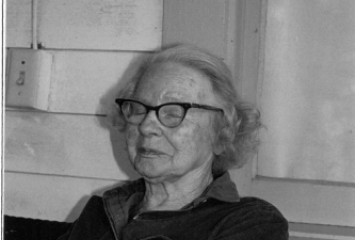
Billie Burn was a “Comeyah.” From 1963 until the early 1980s, Mrs. Burn was postmaster for the island and drove the school bus. In the mid 1960s, she recognized that a way of life on Daufuskie was slowly dying and she began informal interviews with residents of the island concerning themselves and their home. Collecting that material and supplementing it with her own research for almost 20 years, she began assembling a book in 1984 to leave in her words, “a permanent record of the history, stories, and accounts that I have collected – mainly from Daufuskie people.” An Island Named Daufuskie is that book – history, facts, legend, and reminiscences of Daufuskie Island as know and lived by Billie Burn, one who truly knew and loved her island.
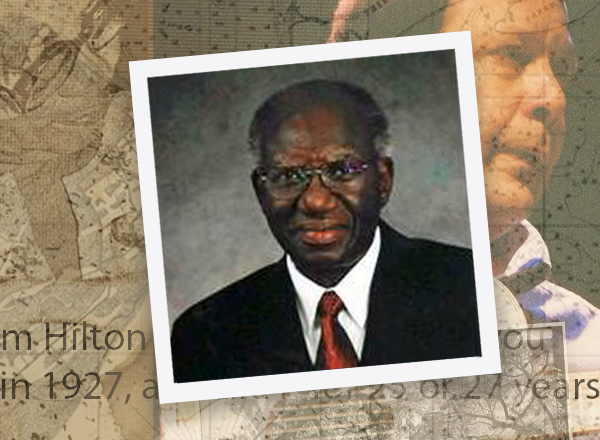
Isaac Wilborn
Isaac W. Wilborn, Jr. was a “Comeyah.” He was born in Elloree, South Carolina (located in Orangeburg County) on February 17, 1930. Born to a family rooted in the African Methodist Episcopal (AME) Church, his father served as a presiding elder. He graduated from the Orangeburg County Trade School and later attended Allen University and South Carolina State University. Known affectionately as "Fess" (short for Professor), he moved to Hilton Head Island in 1954 and guided the local elementary school as its principal for more than 27 years.
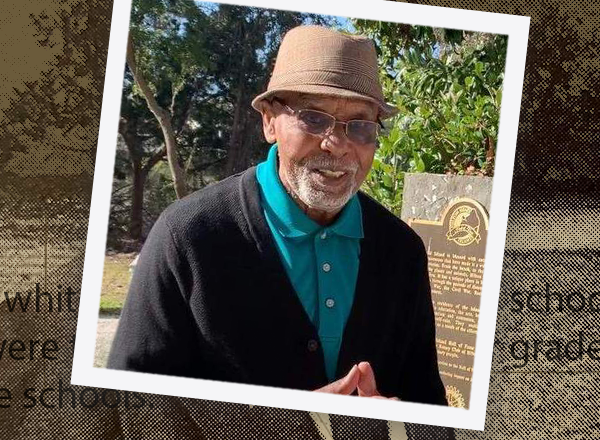
Frances Jones
Frances Jones was a “Binyah.” She was born on Daufuskie Island and went to school in the building that is in the yard of the First African Baptist Church. She was raised by her grandparents, Peggy and Joseph Michael. When she was very small, she contracted polio and walked with the use of a crutch most of her life.
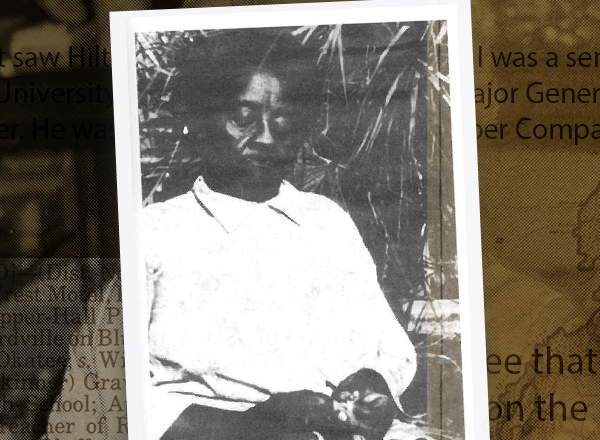
Charlotte Heinrichs
Charlotte Heinrichs was a “Comeyah.” She came to Hilton Head Island in 1968 and used her nursing and public health training to help local doctors address health problems she recognized from experience. Noticing that many island children were faced with illnesses caused by contamination in shallow wells, she launched the Deep Well Project in 1973. It was a one-woman campaign to provide deeper wells and safe drinking water.
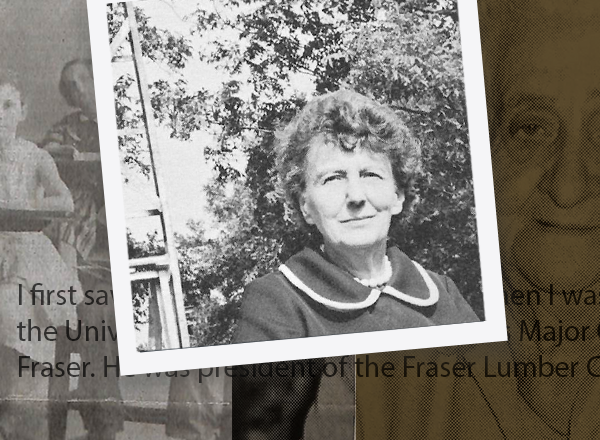
Charles Simmons, Sr.
Charlie Simmons was a “Binyah.” He was a fine man and remembered for his kindness, business acumen, devotion to church and family and service to community. It was his boats that butter beans, watermelons, shrimp, oysters, turkeys and crab made it to market on in Savannah because there was no bridge. It was his general stores that Islanders got fuel for lamps before electricity, and where they got credit when it was needed to survive. And it was in his trucks that midwives got to the bedsides of mothers giving birth, no matter the hour. He was known as “Mr. Transportation” because it was Mr. Simmons who got people, supplies and news to and from what was then a sparsely populated, remote island.
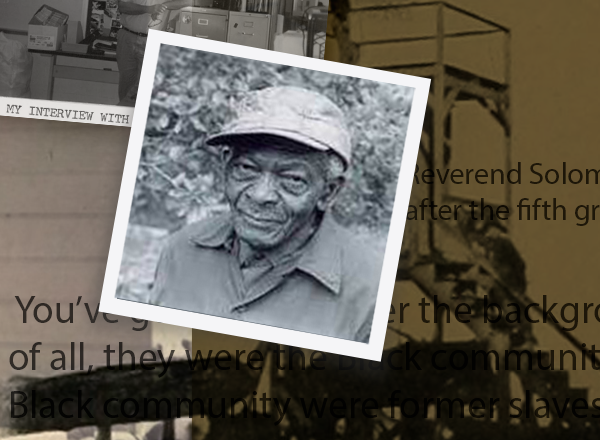
Charles Fraser
Charles Fraser was a “Comeyah.” An alumnus of the University of Georgia, Fraser graduated from Yale Law School in 1953 and, four years later, created Sea Pines Plantation, a master-planned residential development and resort on Hilton Head Island, at the southern tip of the state near Savannah, Ga.