

Be Part of the Project
Recover. Restore. Remember.
Be Part of the Project of a Lifetime
About Hilton Head Island Voices
Rescuing a Generation of Island Memory
The recordings
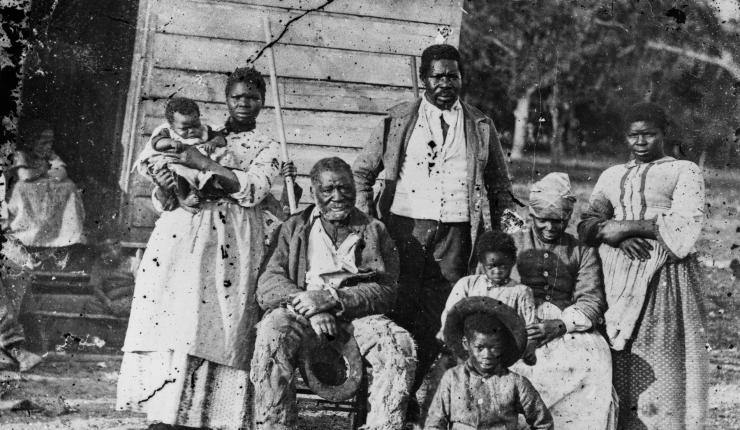
Between the late 1980s and early 1990s, more than seventy residents of Hilton Head Island and the surrounding Lowcountry were interviewed about their lives. Most were African American elders whose families had lived on the island for generations. They spoke about growing up on an island with no bridge to the mainland; about farming, fishing, and oystering; about school, church, and family; and about the sweeping changes that followed once the island opened to the mainland in 1956.
The interviews also preserve memories of Mitchelville. Founded during the Civil War, it was the nation’s first self-governed town of freed people and once was home to as many as 3,000 residents. Its legacy of freedom, self-governance, and cultural continuity shaped the island communities the narrators describe.
Why they needed saving
For more than thirty years, these conversations existed only on cassette tapes, a format that degrades with age and that few people can still play. Without intervention, the voices on them would have been lost. In 2025, American Ancestors received a $37,955 Recordings at Risk grant from the Council on Library and Information Resources (CLIR) to digitize and conserve the collection. Working with the Heritage Library Foundation, which cared for the original tapes, we have transferred the recordings to digital audio, prepared transcripts, and brought them together with photographs and student reports in this online exhibit.
Part of 10 Million Names
Hilton Head Island Voices complements “Remembering Slavery: Testimonials After Emancipation,” one of the flagship projects of 10 Million Names. That larger effort seeks to reconnect the estimated 44 million living descendants of enslaved African people in the United States with their ancestors. Through genealogical research, digitized records, and family trees, it works to restore the names and stories of the 10 million men, women, and children enslaved before Emancipation.
The Hilton Head recordings carry that work forward a century later. Some narrators descend from families who settled on the island after the Civil War, and their memories of family, land, and community are a direct link to that history.
Who this is for
These recordings are free for everyone: descendants looking for family stories, researchers and educators, students, and visitors who want to understand the island beyond its beaches and golf courses. The full collection is also available through the American Ancestors Digital Library.