

Be Part of the Project
Recover. Restore. Remember.
Be Part of the Project of a Lifetime

Explore Hilton Head Island
The Island and its Neighbors, as the Narrators Knew Them
The stories in Hilton Head Island Voices don’t stop at the island’s edge. For generations, life here was tied by water to Daufuskie Island, Bluffton, Beaufort, and Savannah. People traveled by bateau and sailing vessel to sell crops and oysters, visit family, find work, and go to school. Until 1956, there was no other way to reach the mainland.
Explore the places the narrators called home and hear how each one figures in their memories.
Audio gallery
Explore the Places
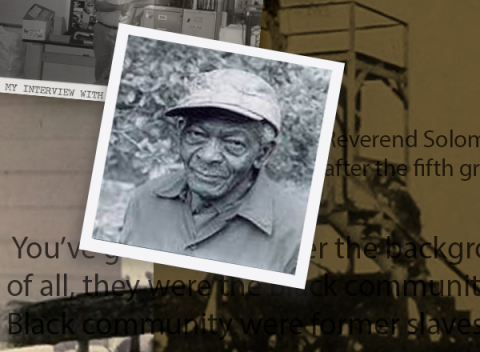
From this county, I don’t know. For one white school on this island, there must’ve been about four or five little Black schools, you know? ‘Cause they had neighborhood schools.
Audio file
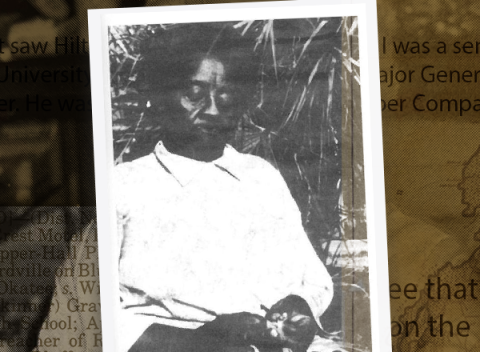
The residents of the Black community were former slaves, who literally survived here from the time they were brought into slavery, to freedom, up till today. The ancestors are still here from those slaves.
Audio file
And then, a woman in the church came up to me, and she said, did I need money? And I said of course, I needed money and that all I had to give was my time. She gave me $10,000. And of course, we got it through the Presbyterian Church because she needed a tax write-off for that $10,000.
Audio file
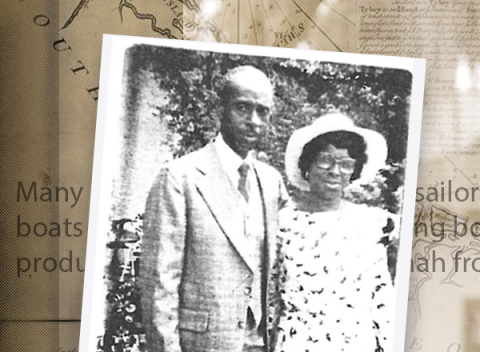
When I grew up, the whites didn’t have any private schools. The public schools were theirs. For us in the higher grades, we were all at private schools.
Audio file
There were sea-goin’ vessels that would come out here. If you were goin’ to Daufuskie, you’d go to Savannah, or Bluffton, or Hilton Head. You wouldn’t come from here. These are sailin’ vessels, with all the—brought in spices, and probably slaves, and everything else in here back in those days.
Audio file
The Black kids had to go to Beaufort, Savannah, someplace else to complete high school. They did not have a full high school. And so, after elementary school, many of them had to quit if the parents couldn't afford to send them away.
Audio file
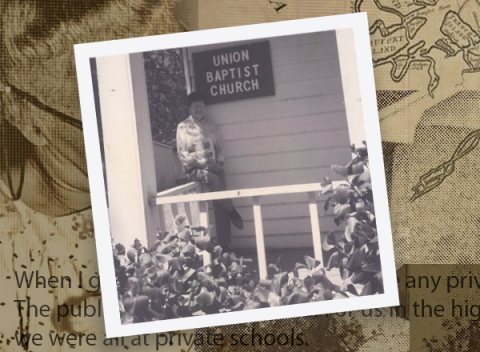
You know, when they changed those names, maybe they didn’t buy those companies from the different company and they changed the name, you know.
Audio file
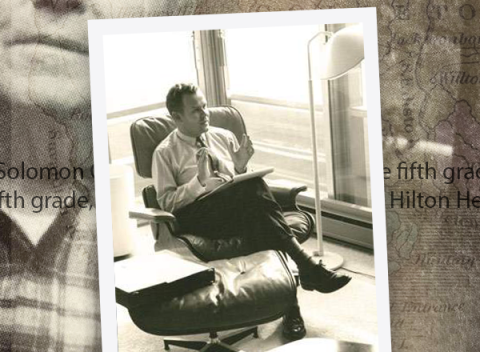
When I began to think in terms of planning the community which became Sea Pines, everyone in Savannah and Charleston—the business community—thought I was touched in the head, that at it simply could not be done.
Audio file
So, that's the most I've done here on the island. But in the process, the Deep Well Project, when it was incorporated, also said besides good water supply and the septic systems, we also would provide social services as requested by the people. So, now, of course, we don't put in septic tanks anymore because there really is no need for them.
Audio file
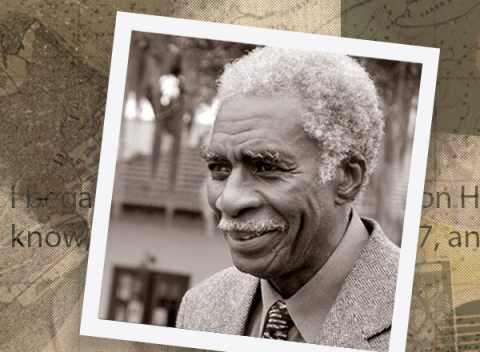
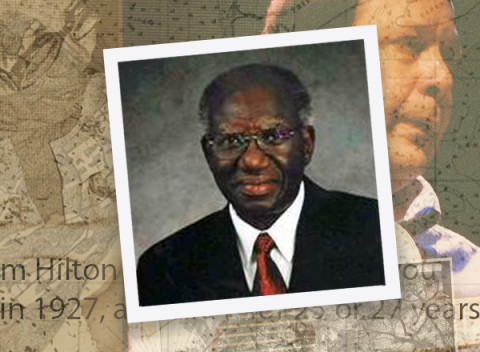
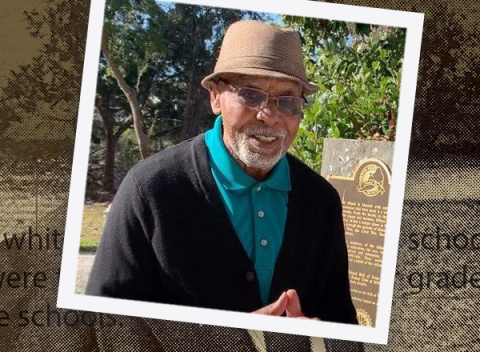
I wasn’t involved in desegregation. I grew up in a segregated system. Went to school all 12 years in a segregated system. And it wasn’t until after I went to college and got out of that, that the effort of integration began. In Beaufort County, integration didn’t come until about nine or ten years after I left high school.
Audio file
We didn’t have any white people on this Island. And the stores were owned by Black people. [laughter] And so, we didn’t have—when white folks and white people came to the stores, I used to notice that more.
Audio file
Do you stick out your chest and be Black? Well, I did some of that, too. I remember. But then, we had to work as a team. And we laughed, we had to have teamwork, and all these projects that were thrown at us, we had to do with our team.
Audio file
That was the 1954 new Black school. That school was built in 1954 and consolidated all those small schools that I listed before. And that was pretty much the answer to our situation. In other words, improved to have a better school. But then, they also did the same thing for white schools. So, that was, supposedly separate but equal.
Audio file
Many of the residents here were sailors, who actually use sailboats not for pleasure, but working boats. They transported produce to the market in Savannah from this island by sailboats.
Audio file
We had men here who they referred to pretty much as herb doctors. Those people would go out into the woods, they would extract certain roots, they would boil them, and they would come up with some interesting medicines.
Audio file
Our role models were well-behaved, generally hard-working, achieving people. That’s the thought that I’m having about all of this foolishness, and people not caring, and not trying, and not wanting to do things, just being lazy.
Audio file
At a certain time of the year, you would just scoop up the turkeys, and crate them off to Savannah, and you could sell there at the market. The fishermen sold a lot of fish at the market in Savannah.
Audio file
And all my children started having children. But I teach them—and everyone didn’t stay in school too long; they learned so fast until the people that—they could skip grade. At that time, they could go to school at five years old.
Audio file
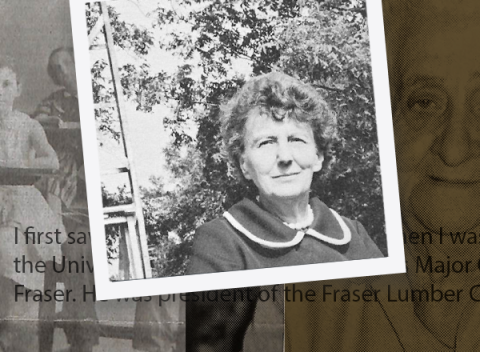
Sometimes he have them practice teaching. And I was just hoping for he to let me teach because I just feel like I could teach the third grade. But I was in... but I never had a chance. He never gave me the chance.
Audio file
Oh, they used to be on the game—on the team, and they had friends, you know, but they all were Black, then, in their time. Yeah. And they used to come from school in the evening and have a way to go back to play ball after. Because it would mostly be at night time they would have the ball game. And they seemed like they got a kick out of it. Yeah.
Audio file
Bateaus were very popular back in those days. Back in the 1920s, and even earlier. In fact, I guess that was the only bateau that was made on the island. People really did enjoy rowin’ ‘em because they were easy to row and they were lightweight.
Audio file
Well, along that ditch goin’ over and toward the front of Flossie’s now, they raised rice. ‘Cause she said that the ricebirds got so bad, they ate the rice when it’s in its milky stage. Rice is in its milky stage before it gets firm, before it gets mature. And these ricebirds love that milky stage of the rice. And so, they just about eat it all up. So, they just had to quit doin’ rice, period.
Audio file
Train went down almost to what they called “Jimmy Lee’s Landing.” There was a little old shack down there, where they opened oysters. They’d bring oysters in and open ‘em up, and they’d take ‘em over to the public landin’, where the big house was. They had a large oyster-shuckin’ place over there.
Audio file
That was where the light shone, and it synchronized with a light that was on that concrete footing there, between the two little wineries. That was a tower about a hundred feet high. And that was the back range.
Audio file