

Be Part of the Project
Recover. Restore. Remember.
Be Part of the Project of a Lifetime
Hilton Head Island Themes
Island Life, Told in Clips
The narrators of Hilton Head Island Voices covered a lot of ground: how they made a living, where they went to school, what they cooked and celebrated, and how the island changed around them. We’ve gathered short clips from the interviews into themes so you can follow a single thread across many voices.
Choose a theme below to hear what narrators said about it, or use the filters to narrow clips by place. Each clip links to the full interview, so you can keep listening wherever a story leads.
Tales and History from the Islands
Family stories, local lore, and memories of Mitchelville and earlier times
Commercial Development
Resorts, real estate, and how development reshaped land and livelihoods
audio gallery
Explore the Themes
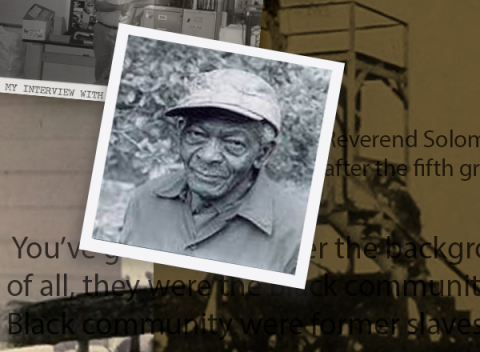
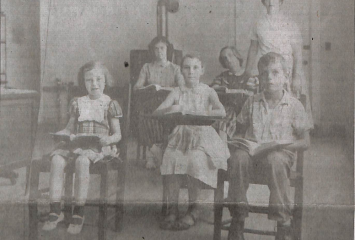
From this county, I don’t know. For one white school on this island, there must’ve been about four or five little Black schools, you know? ‘Cause they had neighborhood schools.
Audio file
The residents of the Black community were former slaves, who literally survived here from the time they were brought into slavery, to freedom, up till today. The ancestors are still here from those slaves.
Audio file
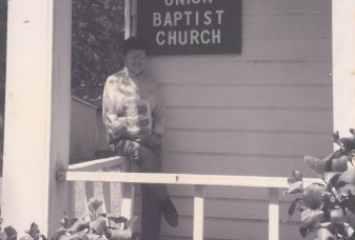
And then, a woman in the church came up to me, and she said, did I need money? And I said of course, I needed money and that all I had to give was my time. She gave me $10,000. And of course, we got it through the Presbyterian Church because she needed a tax write-off for that $10,000.
Audio file
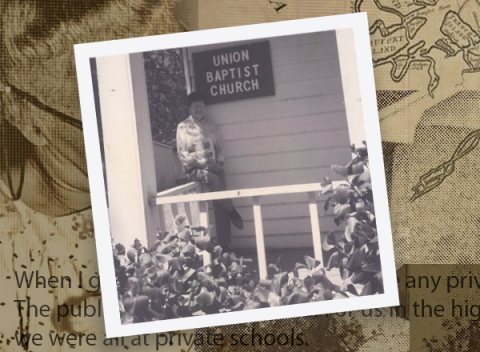
When I grew up, the whites didn’t have any private schools. The public schools were theirs. For us in the higher grades, we were all at private schools.
Audio file
There were sea-goin’ vessels that would come out here. If you were goin’ to Daufuskie, you’d go to Savannah, or Bluffton, or Hilton Head. You wouldn’t come from here. These are sailin’ vessels, with all the—brought in spices, and probably slaves, and everything else in here back in those days.
Audio file
The Black kids had to go to Beaufort, Savannah, someplace else to complete high school. They did not have a full high school. And so, after elementary school, many of them had to quit if the parents couldn't afford to send them away.
Audio file
You know, when they changed those names, maybe they didn’t buy those companies from the different company and they changed the name, you know.
Audio file
When I began to think in terms of planning the community which became Sea Pines, everyone in Savannah and Charleston—the business community—thought I was touched in the head, that at it simply could not be done.
Audio file
So, that's the most I've done here on the island. But in the process, the Deep Well Project, when it was incorporated, also said besides good water supply and the septic systems, we also would provide social services as requested by the people. So, now, of course, we don't put in septic tanks anymore because there really is no need for them.
Audio file
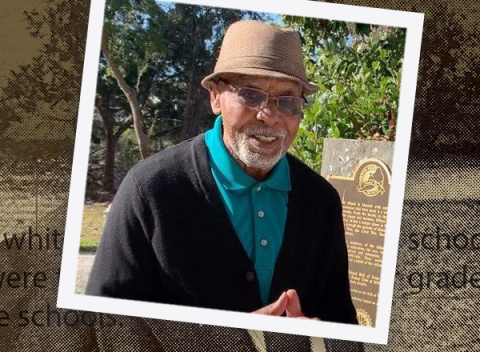
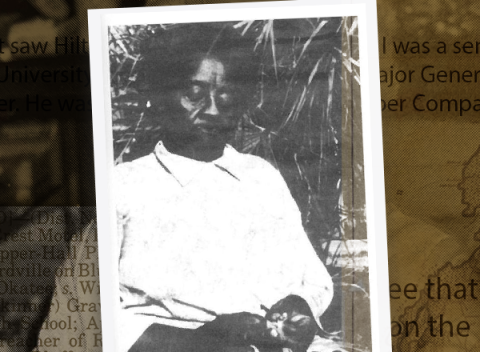
I wasn’t involved in desegregation. I grew up in a segregated system. Went to school all 12 years in a segregated system. And it wasn’t until after I went to college and got out of that, that the effort of integration began. In Beaufort County, integration didn’t come until about nine or ten years after I left high school.
Audio file
We didn’t have any white people on this Island. And the stores were owned by Black people. [laughter] And so, we didn’t have—when white folks and white people came to the stores, I used to notice that more.
Audio file
Do you stick out your chest and be Black? Well, I did some of that, too. I remember. But then, we had to work as a team. And we laughed, we had to have teamwork, and all these projects that were thrown at us, we had to do with our team.
Audio file
That was the 1954 new Black school. That school was built in 1954 and consolidated all those small schools that I listed before. And that was pretty much the answer to our situation. In other words, improved to have a better school. But then, they also did the same thing for white schools. So, that was, supposedly separate but equal.
Audio file
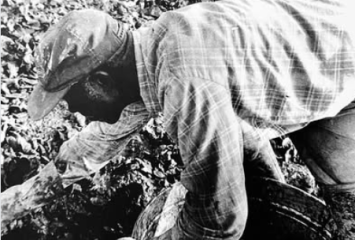
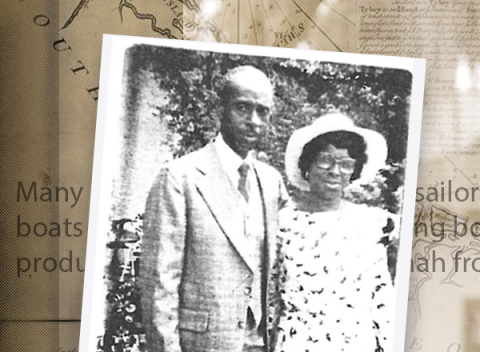
Many of the residents here were sailors, who actually use sailboats not for pleasure, but working boats. They transported produce to the market in Savannah from this island by sailboats.
Audio file