

Be Part of the Project
Recover. Restore. Remember.
Be Part of the Project of a Lifetime
Explore Hilton Head Island
The Island and its Neighbors, as the Narrators Knew Them
The stories in Hilton Head Island Voices don’t stop at the island’s edge. For generations, life here was tied by water to Daufuskie Island, Bluffton, Beaufort, and Savannah. People traveled by bateau and sailing vessel to sell crops and oysters, visit family, find work, and go to school. Until 1956, there was no other way to reach the mainland.
Explore the places the narrators called home and hear how each one figures in their memories.
Audio gallery
Explore the Places
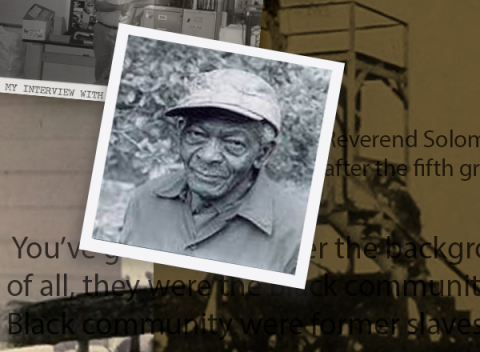
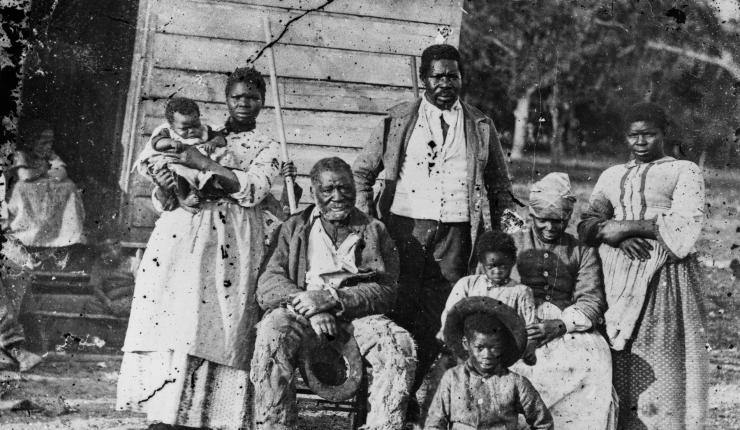
The residents of the Black community were former slaves, who literally survived here from the time they were brought into slavery, to freedom, up till today. The ancestors are still here from those slaves.
Audio file
And then, a woman in the church came up to me, and she said, did I need money? And I said of course, I needed money and that all I had to give was my time. She gave me $10,000. And of course, we got it through the Presbyterian Church because she needed a tax write-off for that $10,000.
Audio file
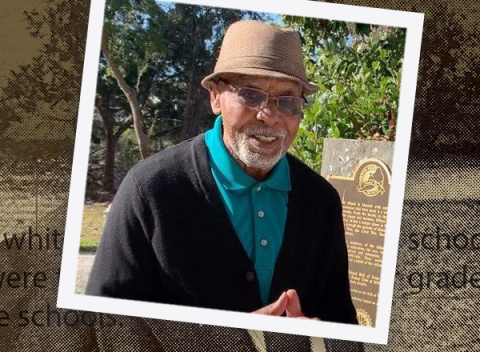
The Black kids had to go to Beaufort, Savannah, someplace else to complete high school. They did not have a full high school. And so, after elementary school, many of them had to quit if the parents couldn't afford to send them away.
Audio file
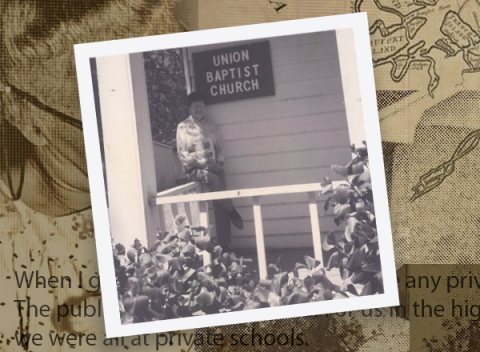
You know, when they changed those names, maybe they didn’t buy those companies from the different company and they changed the name, you know.
Audio file
When I began to think in terms of planning the community which became Sea Pines, everyone in Savannah and Charleston—the business community—thought I was touched in the head, that at it simply could not be done.
Audio file
So, that's the most I've done here on the island. But in the process, the Deep Well Project, when it was incorporated, also said besides good water supply and the septic systems, we also would provide social services as requested by the people. So, now, of course, we don't put in septic tanks anymore because there really is no need for them.
Audio file
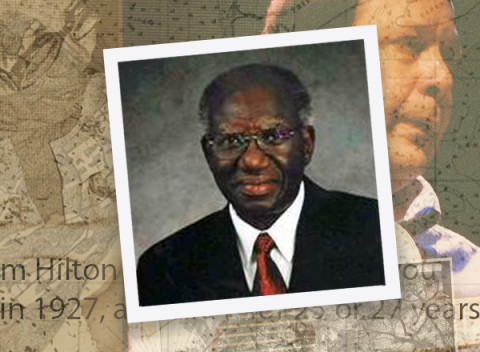
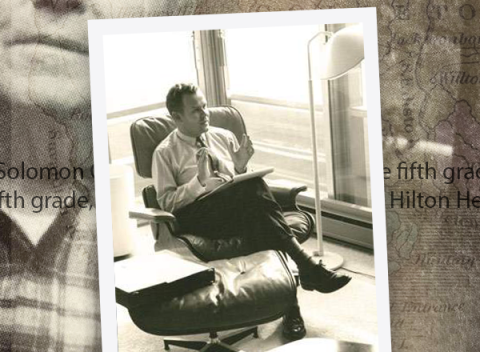
Many of the residents here were sailors, who actually use sailboats not for pleasure, but working boats. They transported produce to the market in Savannah from this island by sailboats.
Audio file
We had men here who they referred to pretty much as herb doctors. Those people would go out into the woods, they would extract certain roots, they would boil them, and they would come up with some interesting medicines.
Audio file
Our role models were well-behaved, generally hard-working, achieving people. That’s the thought that I’m having about all of this foolishness, and people not caring, and not trying, and not wanting to do things, just being lazy.
Audio file
At a certain time of the year, you would just scoop up the turkeys, and crate them off to Savannah, and you could sell there at the market. The fishermen sold a lot of fish at the market in Savannah.
Audio file
And all my children started having children. But I teach them—and everyone didn’t stay in school too long; they learned so fast until the people that—they could skip grade. At that time, they could go to school at five years old.
Audio file
Sometimes he have them practice teaching. And I was just hoping for he to let me teach because I just feel like I could teach the third grade. But I was in... but I never had a chance. He never gave me the chance.
Audio file
Well, along that ditch goin’ over and toward the front of Flossie’s now, they raised rice. ‘Cause she said that the ricebirds got so bad, they ate the rice when it’s in its milky stage. Rice is in its milky stage before it gets firm, before it gets mature. And these ricebirds love that milky stage of the rice. And so, they just about eat it all up. So, they just had to quit doin’ rice, period.
Audio file
Well, down to the far north, they used to call it Doggett Elliot. Between Elliot and what they call Jenkin Island, they used to call it Talbot, you know. I guess it was owned by different people... was owned by the mainland.
Audio file
I remember I was intensely criticized because we brought in a Black man as head of employment, personnel, administration, at the Sea Pines Company. He had grown up in New Orleans and was very competent, had been to college, knew his job. They said, “Why don’t you hire Black folk?” I said, “This guy is as Black as anybody on the island.”
Audio file
I have no desire at all to see the Black families on Hilton Head Island who don’t want to sell their land pay higher taxes than they were paying 15 years ago.
Audio file
We put in the first houses in Forest Beach in 1953. Before that, a few had been built, about forty, at one time up at Folly Field Beach. I was not enthusiastic about the quality of them at all.
Audio file
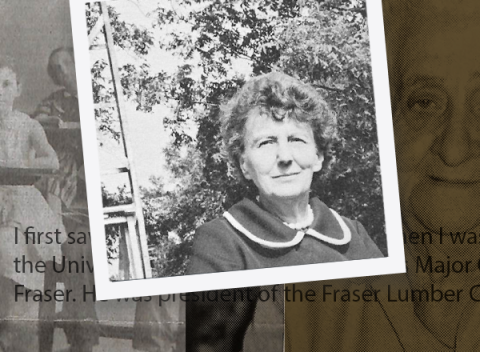
I first saw Hilton Head Island in 1949 when I was a senior at the University of Georgia. My father was Major General J.B. Fraser. He was president of the Fraser Lumber Company.
Audio file
So, what we did, we took an ambulance over to the other side on a boat, and they almost dropped it in the water trying to get it on a boat and left it over there. And then, we carried patients that needed ambulance service but not critically ill across the bridge on stretchers and put them on an ambulance on the other side. We'd bring them to the bridge, put them in the ambulance, and then take and carry them across.
Audio file